
The Theme of Judgment and Guilt
The FallTraces the development of the novel's central theme: the universality of guilt and the inescapability of judgment.
increasing Bearing strength in each event
 decreasing
Bearing strength in each eventdecreasingThe Innocent Man
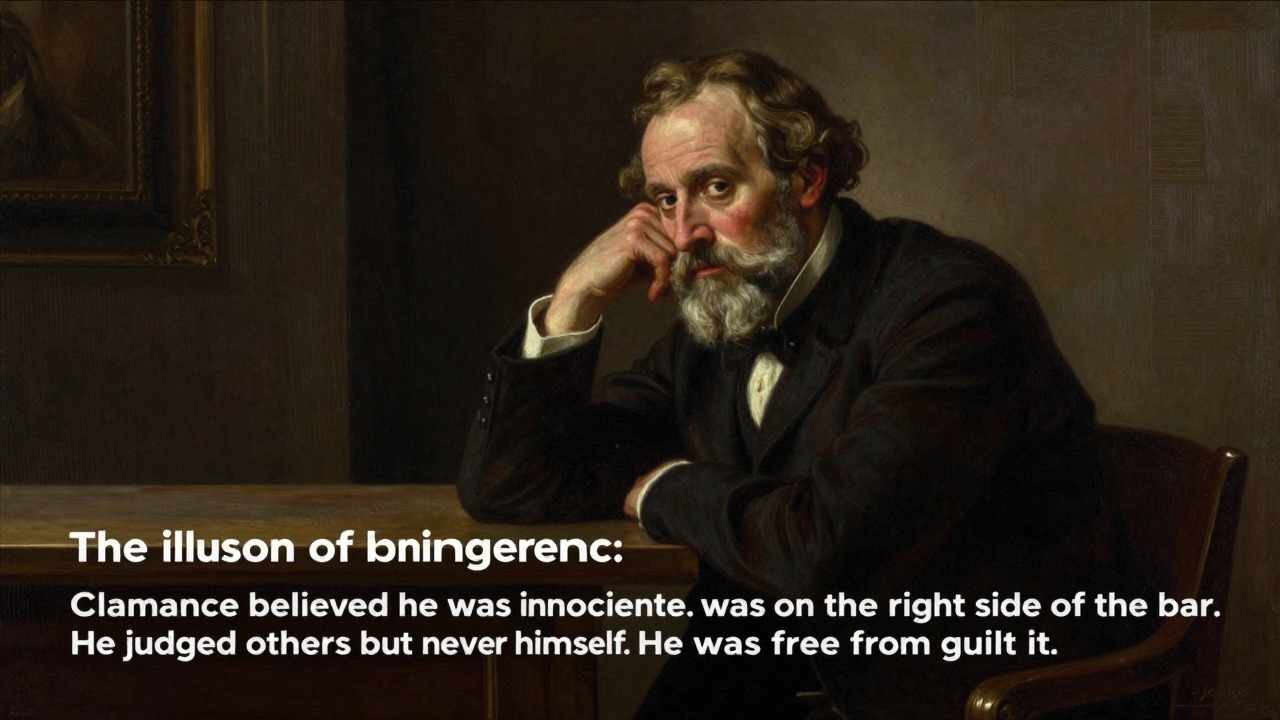
The illusion of innocence
A life without judgment
Clamence believed he was innocent. He was on the right side of the bar. He judged others but never himself. He was free from guilt.
The foundation of pride
His innocence was a pretense. He was a Sadducee, a hypocrite. But he didn't know it. The idea of his own innocence was the most natural idea to him.
The Discovery of Guilt
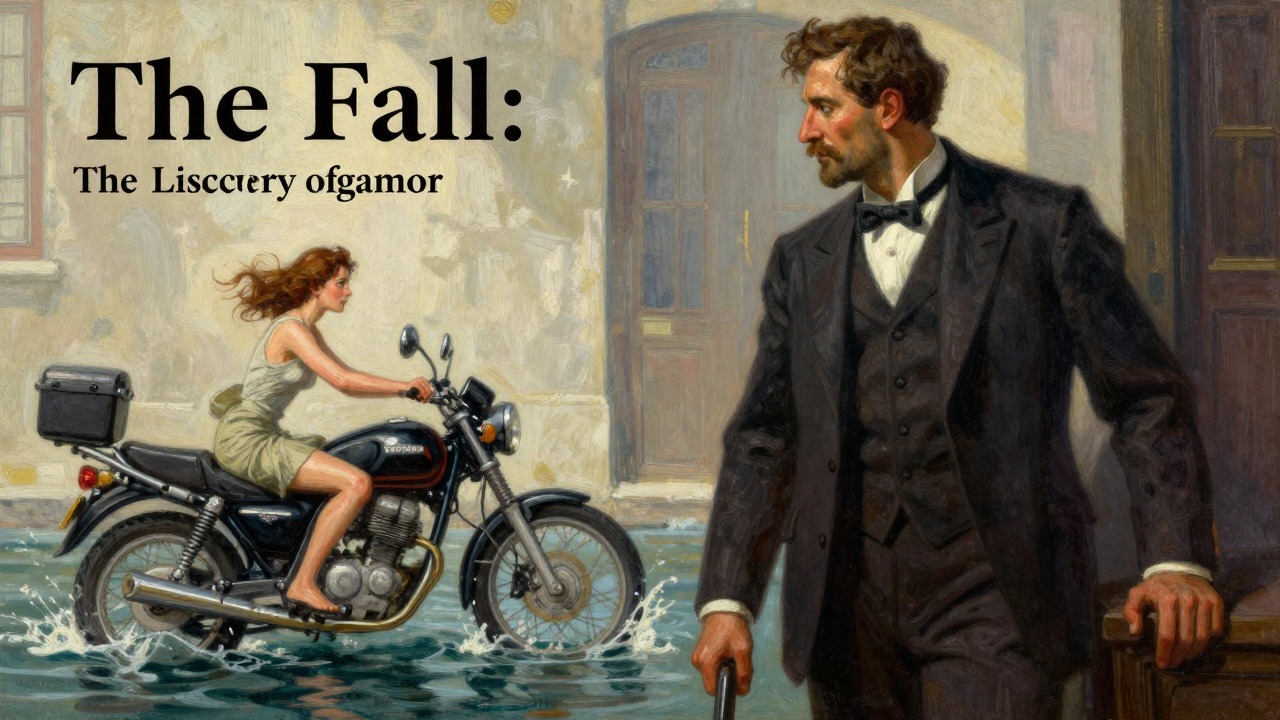
The crack in the armor
The first self-judgment
Clamence began to see that he was guilty. He recalled the drowning woman, the motorcycle incident, his hypocrisies. He realized he was not simple.
The duplicity of all men
He discovered the fundamental duplicity of the human being. He was no exception. He was a liar, and he had to confess. The theme of universal guilt was born.
The Judgment of Others
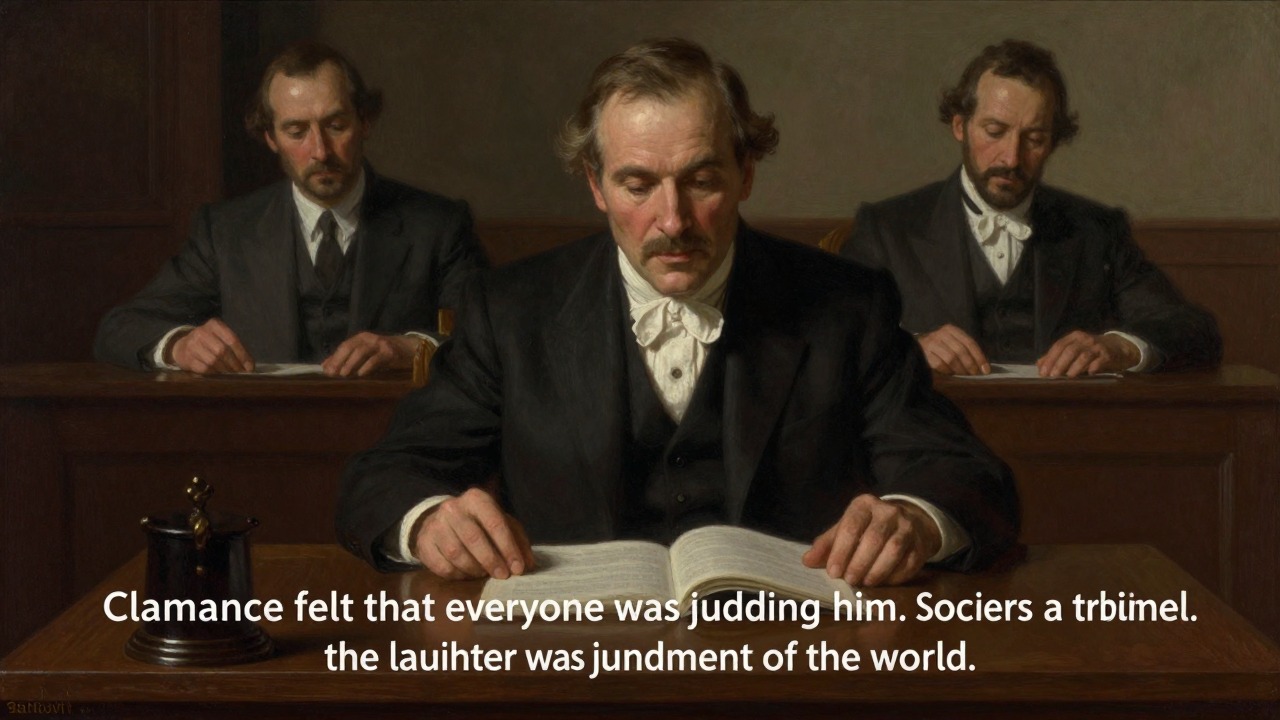
The world as judge
The hidden smile
Clamence felt that everyone was judging him. Society was a tribunal. The laughter was the judgment of the world. He was cornered.
The need to dodge judgment
He tried to dodge judgment by accusing himself. He wanted to be the judge, not the accused. The theme of judgment became central to his thinking.
The Invention of the Judge-Penitent
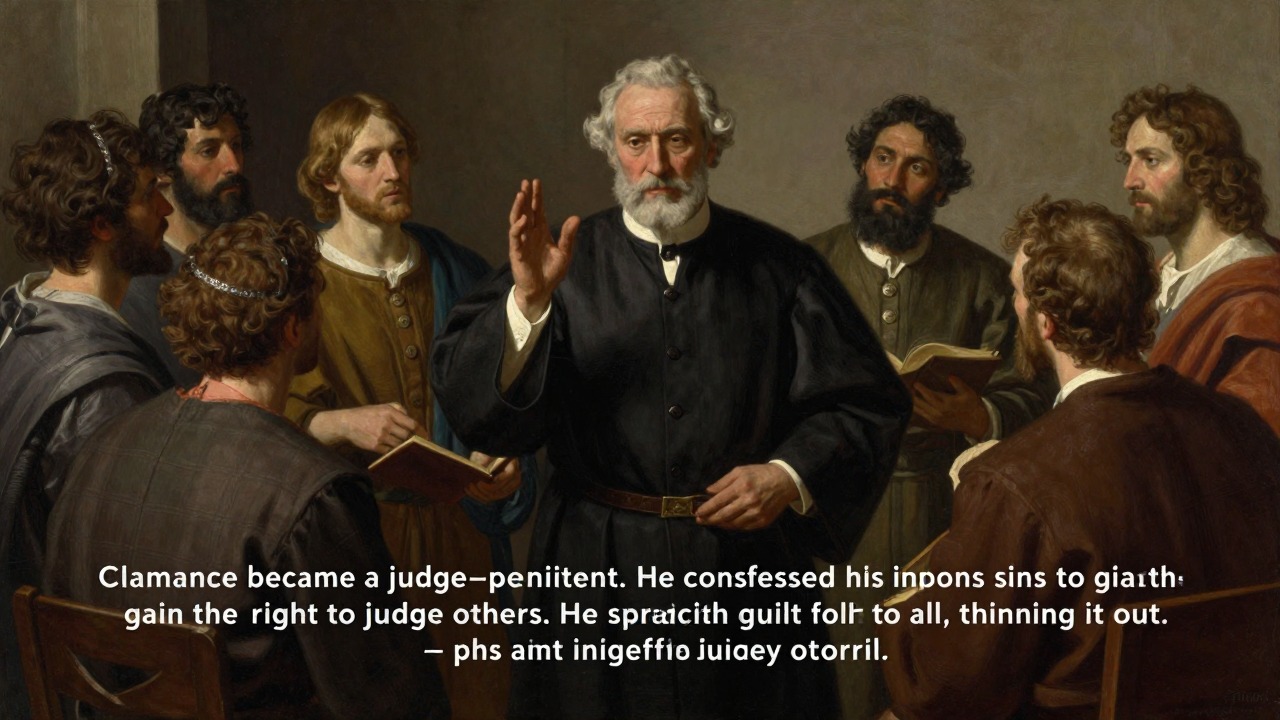
The solution
Accusing himself to judge others
Clamence became a judge-penitent. He confessed his own sins to gain the right to judge others. He spread guilt to all, thinning it out.
The daily Last Judgment
He announced that the Last Judgment takes place every day. Every man testifies to the crime of all others. The theme of judgment is now institutionalized in his own person.
Clamence's early life
After the laugh and the motorcycle incident
During his period of vulnerability
In Amsterdam, after his crisis
